
High blood pressure is a common but manageable condition. By making a few easy lifestyle changes, you can effectively control your numbers and reduce your risk of heart problems. In this article, we share three simple strategies that fit easily into your daily routine to help you maintain a healthier, stronger heart.
Small changes can make a big difference in your blood pressure numbers.
In 2017, the American Heart Association and American College of Cardiology lowered the high blood pressure threshold from 140/90 to 130/80 mm Hg. This change means millions more people are now classified with stage 1 hypertension. While this update doesn’t mean your health changed overnight, it’s a crucial reminder to take blood pressure seriously. These new guidelines reflect the latest research and aim to help reduce risks of stroke and heart disease through earlier awareness and management.
- High blood pressure is now defined as 130/80 mm Hg or higher.
- Nearly half of adults are classified as hypertensive.
- Blood pressure of 130-139/80-89 doubles cardiovascular risk.
How to Lower High Blood Pressure Naturally?
If you are in this 130/80 range, reducing your blood pressure can help protect you from heart attack, stroke, kidney disease, eye disease, and even cognitive decline. The goal of the new guidelines is to encourage you to treat your high blood pressure seriously and to take action to bring it down, primarily using lifestyle interventions. It is well documented that lifestyle changes can lower blood pressure as much as pills can, and sometimes even more.
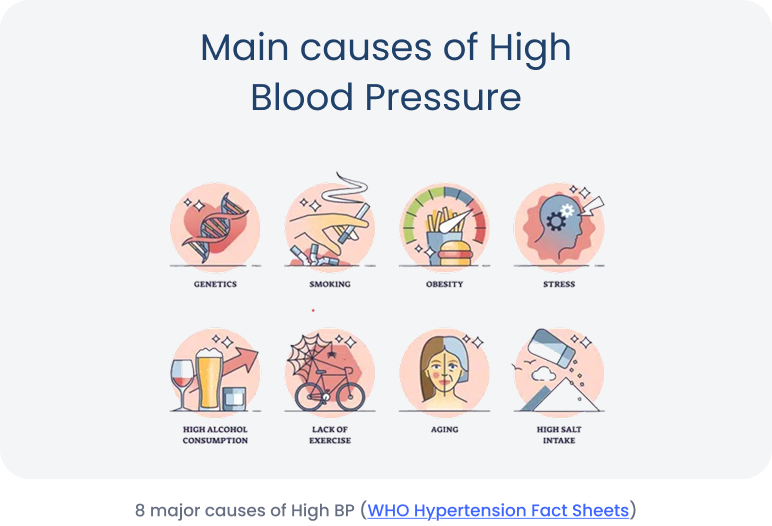
1. Adopt a Heart-Healthy Diet
One of the most effective ways to control high blood pressure is through diet. The DASH diet (Dietary Approaches to Stop Hypertension) is specifically designed to support heart health. Focus on:
- Fresh fruits and vegetables
- Whole grains
- Low-fat dairy
- Lean proteins
- Reduced sodium intake
Limiting processed foods and avoiding excessive salt can make a noticeable difference in just a few weeks. To learn more about how we support heart health through advanced diagnostic care, visit our cardiac services page.
2. Stay Physically Active
Regular exercise strengthens your heart, allowing it to pump more efficiently and lower pressure on your arteries. Aim for at least:
- 30 minutes of moderate activity (like brisk walking, cycling, or swimming)
- Most days of the week
Even small amounts of daily movement can have a big impact on lowering blood pressure naturally.
3. Manage Stress and Sleep
Chronic stress and poor sleep are often overlooked causes of elevated blood pressure. To help manage both:
- Practice deep breathing, meditation, or yoga
- Maintain a consistent sleep schedule
- Reduce screen time before bed
- Limit caffeine and alcohol
Better stress management and restful sleep can significantly support overall cardiovascular health.
Final Thoughts
While medications are sometimes necessary, many people can manage high blood pressure naturally with the right lifestyle changes. These three simple steps—healthy eating, regular exercise, and stress reduction—are safe, effective, and accessible to most people.
If you’re concerned about your blood pressure, we’re here to help. Book an appointment with one of our heart specialists today and take the first step toward better heart health.

Dr. R.P Iyer
Cardiologist
Dr. R. Padmanabhan Iyer, an expert cardiologist with global clinical and research experience.